TikTok slideshows and Instagram carousels are not the same file with two upload buttons.
They can share:
- customer insight;
- argument;
- storyboard;
- approved images;
- proof;
- brand system.
They still need different publishing packages and independent evidence.
The lazy answer is:
TikTok is discovery. Instagram is saves. Post on both.
That may describe one account's history. It is not a universal strategy.
Choose the platform by the job, then test the actual audience.
What the products officially support
Instagram's help documentation says a feed carousel can contain up to ten photos and videos in one post. One orientation applies across the carousel; likes and comments apply to the entire post rather than individual cards. Review the current Instagram carousel documentation.
TikTok supports photo posts and lets creators add text, effects, sound, filters, and other editing features. Its AI-generated-content controls also apply to photo posts where relevant. Review TikTok's current creation and AI-content guidance.
Features, limits, APIs, and surfaces change. Verify them at production time.
Start with the content job
Job: explain a sequence
Examples:
- onboarding steps;
- before → mechanism → after;
- product setup;
- a seven-point checklist.
Both formats can work.
Decide based on:
- where the audience already follows you;
- which platform exposes useful analytics;
- whether the final action is supported;
- whether the content belongs in a persistent profile library.
Job: create a reference asset
Examples:
- framework;
- swipe file;
- comparison;
- template;
- diagnostic tree.
Instagram carousels may fit an account whose audience already uses its feed as a reference library. That is a hypothesis, not an algorithm law.
Measure saves, qualified profile actions, and return traffic.
Job: test a visual hook
TikTok photo posts may fit an account with strong cold discovery and frequent creative testing.
Measure:
- qualified views;
- swipe-through where available;
- profile visits;
- downstream action.
Do not assume fast feedback from the platform name. Use the account's observed distribution curve.
Job: sell multiple items
For paid distribution, Meta's official carousel ad format can show up to ten images or videos, and each card can have its own link. Meta also notes that sequential storytelling should not use automatic card reordering. See Meta's carousel ad overview.
That is materially different from an organic educational carousel.
Compare the decision variables
| Variable | TikTok photo post | Instagram carousel |
|---|---|---|
| Existing audience | Check account analytics | Check account analytics |
| Creative surface | Full-screen mobile photo flow | Feed carousel with shared orientation |
| Audio | Native creation supports sound | Do not assume audio is central to feed carousel behavior |
| Grid/profile role | Evaluate current profile presentation | Cover also represents the post in profile context |
| Link/action | Verify account and placement capabilities | Verify profile, sticker, ad, or DM capabilities |
| Organic analytics | Confirm available metrics | Confirm available metrics |
| Paid extension | Verify current TikTok ad options | Meta carousel ads have card-level options |
| AI disclosure | Use TikTok controls where required | Follow Meta disclosure/labeling rules |
The table deliberately avoids "TikTok users are young" and "Instagram users buy."
Audience composition is account-, market-, and time-specific. Use platform advertising tools, first-party analytics, and actual customer data.
Share the Ghostfeed base, not a folder of exports
Build the canonical sequence as one editable Ghostfeed project.
- Start From Social if a TikTok Photo Mode post or image-only Instagram carousel already demonstrates the format.
- Start From Prompt if the team owns the idea and can attach product, collection, or avatar context with
@mentions. - Start From Scratch if the storyboard is finished and the operator wants total control.
Every route ends in the same editor: ordered slides, background provenance, editable text boxes, caption, and variants. That project is the reusable source.
For the TikTok test, export the accepted vertical deck and make the platform-native audio, caption, and disclosure choices at publishing time.
For Instagram, reuse the accepted argument and source assets, but recompose for its feed and profile-grid context. Ghostfeed does not claim that one click converts a 9:16 TikTok deck into a finished Instagram package. The reusable value is the structured creative, not a blind resize.
This Ghostfeed walkthrough shows why the editable storyboard, not a flattened export, is the reusable asset.Design the cover for context
The same first card has three jobs:
- stop a feed viewer;
- promise the sequence;
- remain understandable in profile or preview context.
Bad:
"You need to see this."
It depends on curiosity without content.
Better:
"The annual subscription view I wish I checked sooner."
It names the object and the reason to continue.
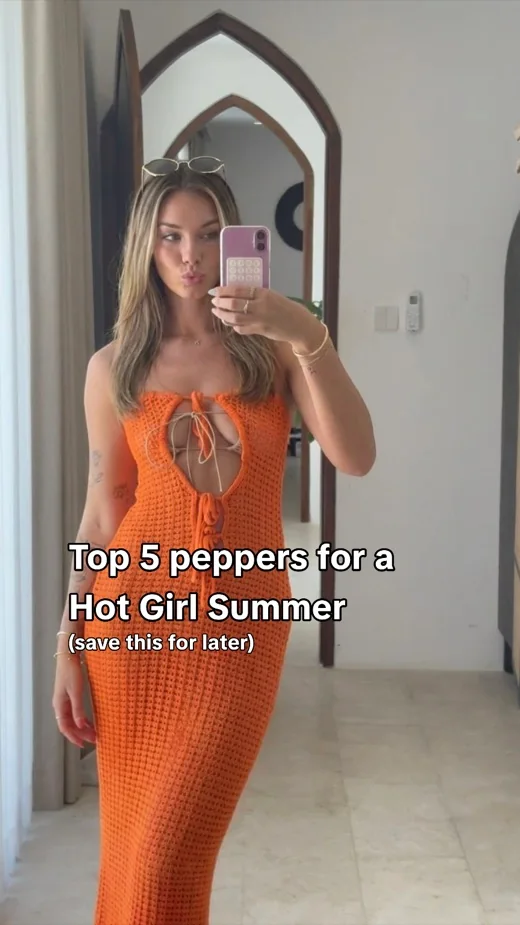 01
01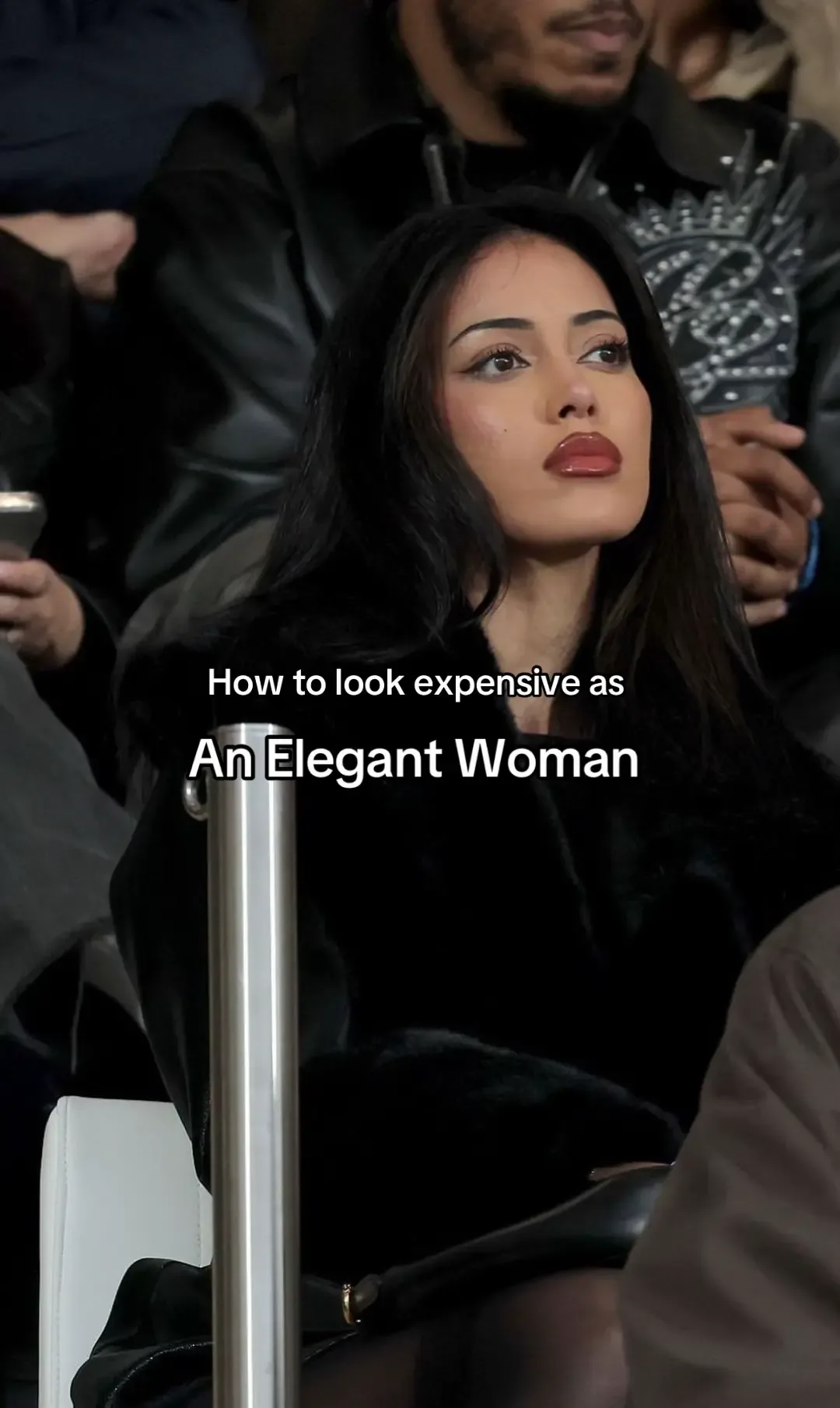 02
02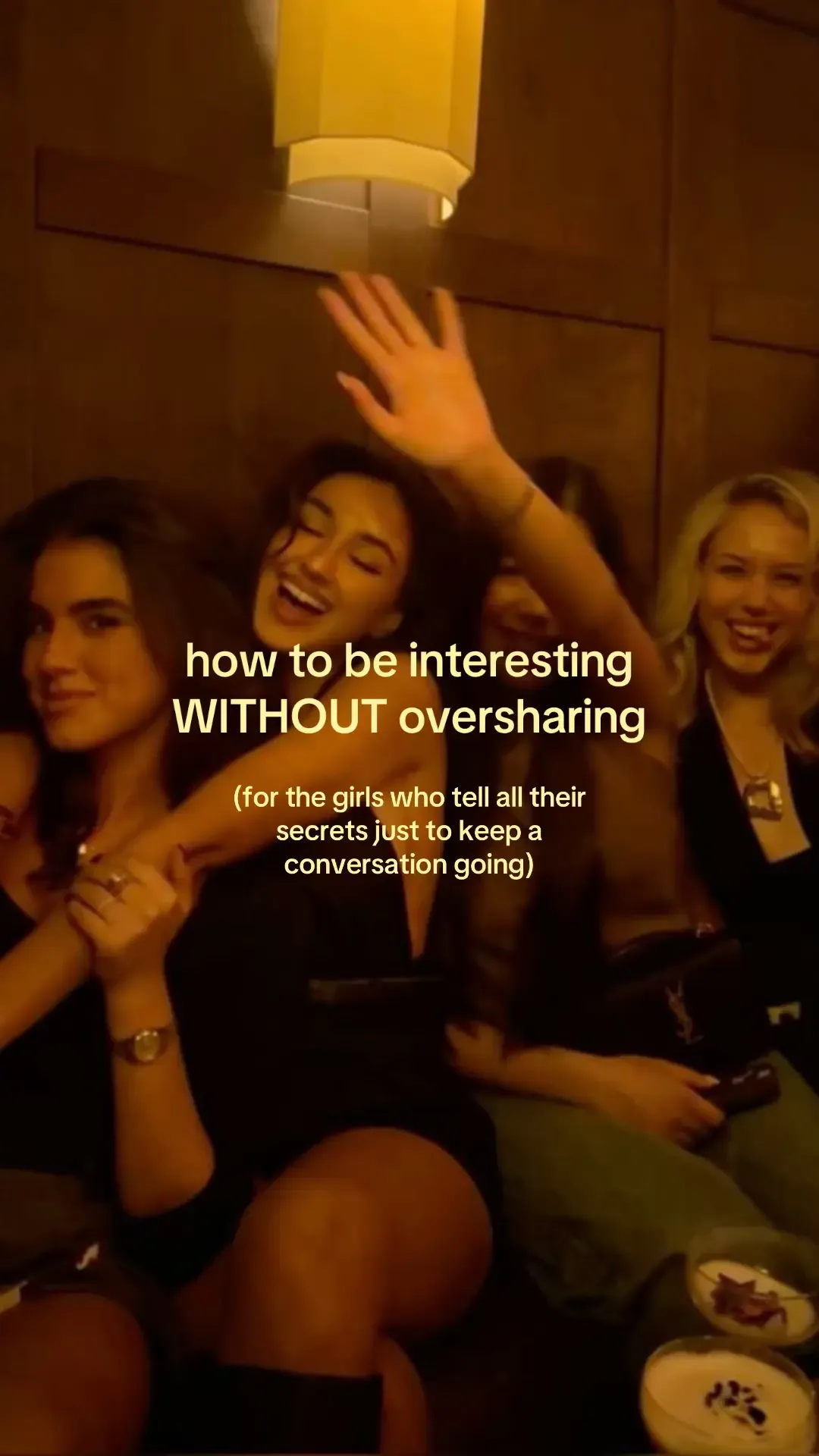 03
03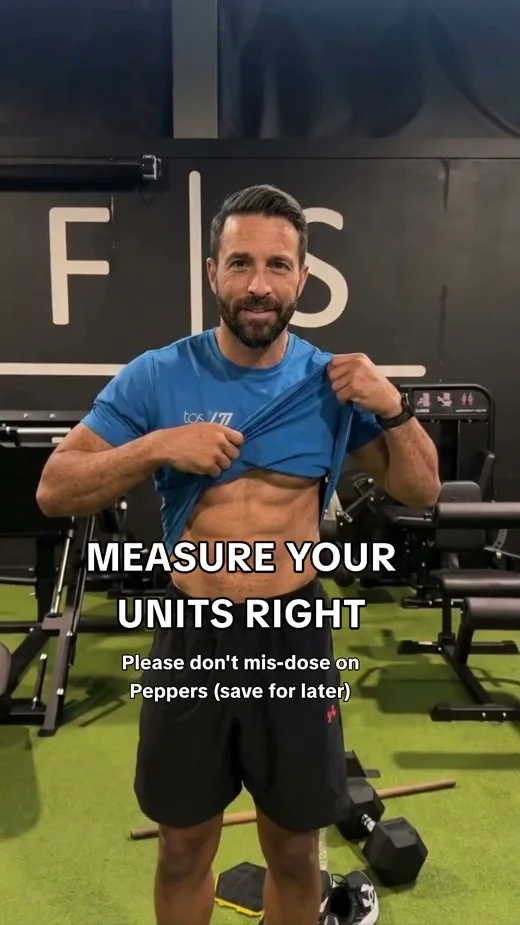 04
04Review the cover:
- at full size;
- at thumbnail size;
- with UI overlays;
- without the caption;
- in both platform crops.
Rebuild typography
Do not shrink one design until it fits.
For each package:
- set safe-area guides;
- choose maximum line length;
- set font scale for the actual canvas;
- preserve visual hierarchy;
- re-crop the focal subject;
- check captions and platform chrome;
- export from source.
The copy can also change.
TikTok package:
"I thought I had 3 subscriptions."
Instagram package:
"I thought I had three subscriptions. The annual view found twelve."
One may benefit from a faster reveal; the other may benefit from a fuller standalone cover. Test it.
Treat sound as an editorial choice
Do not claim that one specific "trending audio window" causes distribution unless you can show platform evidence or a clean experiment.
Use sound when it:
- establishes pace;
- supports emotion;
- is licensed for the use;
- remains intelligible under narration;
- fits the brand.
Avoid sound when it:
- competes with copy;
- exists only because it is trending;
- creates rights problems;
- makes the post feel imported from another account.
Do not invent a universal cadence
"Three TikToks per day" and "two Instagram posts per day" are not natural constants.
Cadence is constrained by:
- approved creative supply;
- audience fatigue;
- account history;
- community-management capacity;
- platform posting limits;
- campaign timing;
- quality;
- policy.
Start with a cadence your team can review and support. Increase only if marginal posts add qualified outcomes.
Never create or operate deceptive account networks to multiply volume.
Conversion paths differ by account
Possible routes:
- profile → product link;
- post → product page through an ad;
- comment request → narrow DM delivery;
- follow → later educational sequence;
- store visit;
- lead form;
- creator partnership.
Choose one primary action per post.
Do not assume comment-to-DM is warmer on Instagram or higher-volume on TikTok. Instrument:
- unique qualified requests;
- delivery success;
- voluntary continuation;
- complaints and suppressions;
- downstream conversion.
Run a paired test
Create one approved storyboard.
Produce native packages for both platforms.
Keep constant:
- argument;
- proof;
- card order;
- customer;
- observation window definition.
Allow platform-native differences:
- crop;
- typography;
- caption;
- audio;
- CTA implementation.
Measure:
Also record:
- reach curve over time;
- saves/shares where exposed;
- profile actions;
- clicks;
- activation;
- moderation burden;
- complaints;
- asset lifespan.
Run several concepts. One paired post can be dominated by noise.
Choose one of four operating modes
TikTok-first
Use when your own account data shows faster, qualified testing there.
Workflow:
Instagram-first
Use when the customer already discovers and evaluates you there, or the account has a strong reference-content loop.
Parallel
Use when adaptation is cheap and both platforms have meaningful audiences.
Do not call one platform the winner based on raw views because inventory and distribution are different.
Single-platform
Use when:
- the customer is concentrated;
- community operations only support one;
- the conversion path only works on one;
- the second package adds more cost than learning.
"Be everywhere" is not a strategy.
My default
I would start where Ghostfeed already has:
- a real audience;
- authorized account access;
- downstream measurement;
- a usable product path;
- enough historic posts to define a baseline.
Then I would create a native package for the second platform once the storyboard proves it can generate a qualified action.
The shared production engine makes the second package cheaper. It does not make it free, and it does not make the audiences equivalent.
For building the creative, use the AI slideshow storyboard and image-prompt workflow. For production implementation, read the AI TikTok slideshow state machine.