A whiteboard ad explains something by drawing it. A hand adds one mark at a time while a voice says why, and the board grows from empty to a full picture. Brands run this format today, but mostly as a filmed ad with a real hand. On November 17, 2026 we checked 13 board ads in the Meta Ad Library: 10 were filmed and only 2 were clearly AI-made. You can make a 45-second AI one in Ghostfeed for about 46 credits, around $4.60.
Below: what the real ads look like, our own example, the steps, the cost and the limits.
Made with GhostfeedThe plant pot in this reel, Wicklo, is an example brand. It is not a real product.
The pictures and clips in this reel were generated with Pruna AI models, called directly and following the steps of Ghostfeed's workflow: P-Image for the empty board, P-Image-Edit for every board made from it, and P-Video 2 Pro for the clips.
What a whiteboard ad is
People mean two things by "whiteboard video".
- Whiteboard animation. The old explainer look: a cartoon hand sketching icons in a white space.
- A real board. A real-looking hand, or a person, writing on a real whiteboard, a flipchart or a clipboard. This is the one running as an ad now.
This page is about the second one. People call it "whiteboard explainer" or "AI whiteboard ads". There is a chalkboard version too.
These ads run on Meta (Facebook and Instagram). That is where we counted them.
How many brands run it as an AI ad
Almost none yet. These are our own numbers, counted on November 17, 2026 in the public Meta Ad Library. We looked at ten frames across each ad.
| What we counted | Number |
|---|---|
| Board ads we looked at | 13 |
| Filmed with a real hand or a real presenter | 10 |
| Likely AI-made | 1 |
| Clearly AI-made | 2 |
| Brands behind the 2 | 2 (ST8 and True Nutra) |
The two clearly AI-made ones:
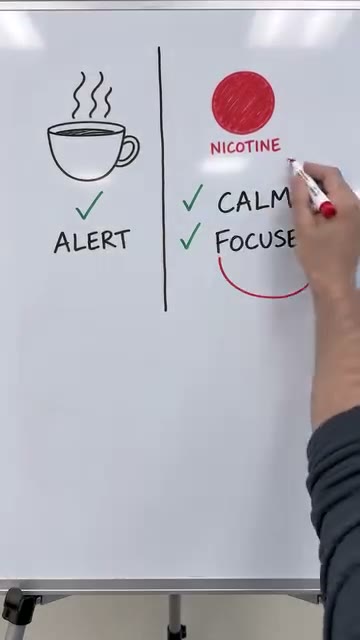
- ST8, nicotine-free focus pouches, 2 minutes, running since October 20, 2026. A generated hand draws the whole ad on a white board. It is the only one that is a whiteboard explainer from start to end.
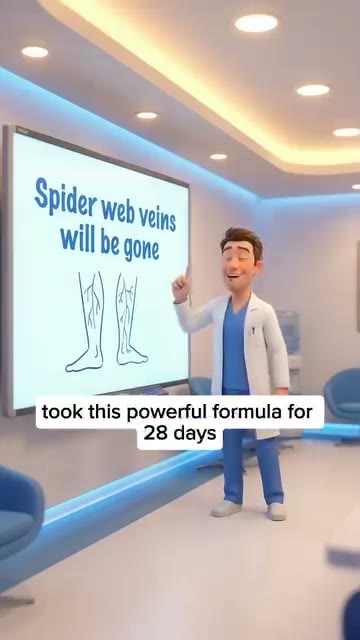
- True Nutra Plus, 1 minute 9 seconds. A 3D cartoon doctor points at a wall screen, then the ad goes inside the body. The board is only the opening.
How we told ST8 is generated: whole words land in perfect lettering in about a second, drips appear on the board away from the pen tip, and the sleeve and the marker change between shots.
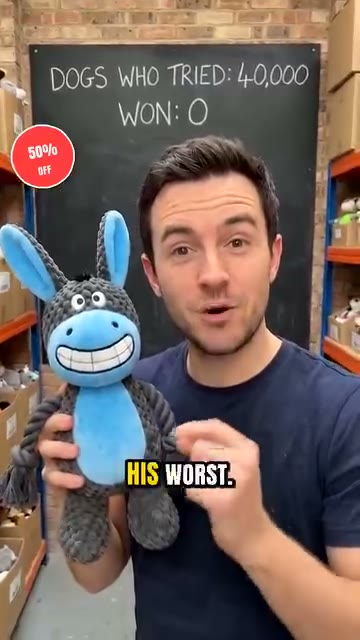
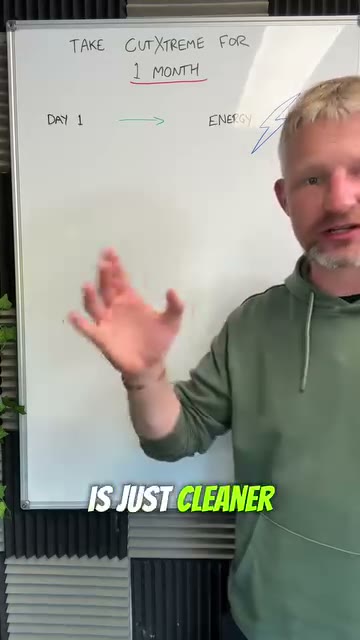
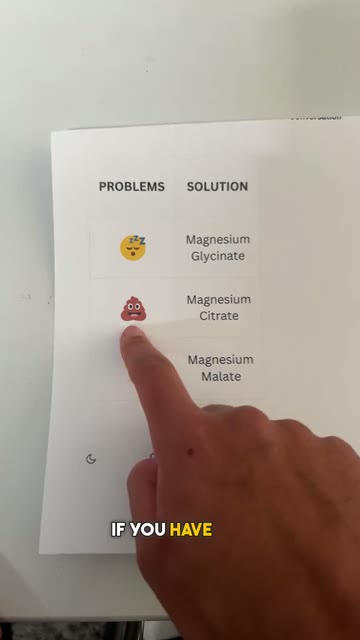
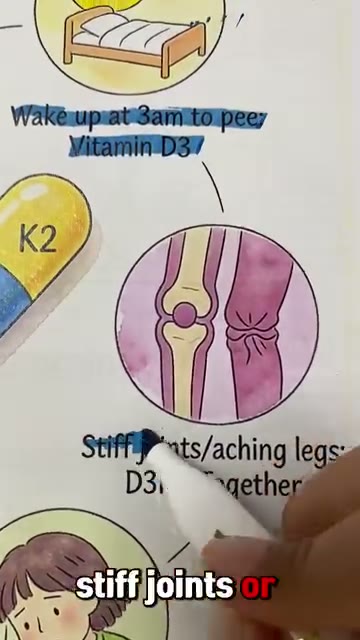
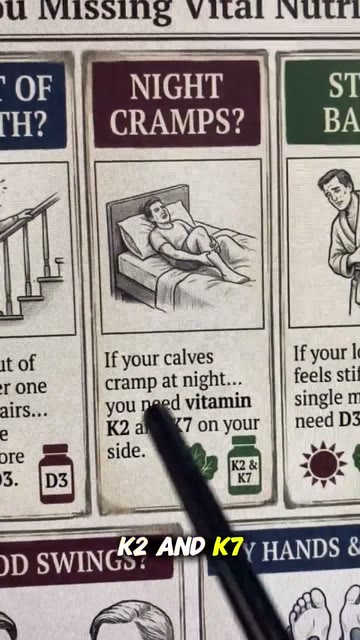
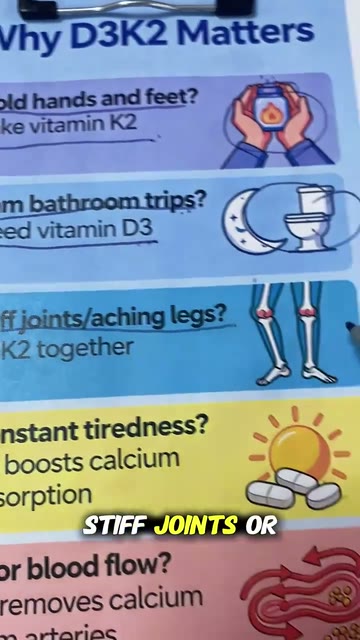
The filmed ones are from Nutrition Geeks, True Nutra Direct, BioRevive, Jacob Nash and Unhooked.health. They run from 18 seconds to 1 minute 5 seconds. A real finger or a real marker moves over a real board or a printed chart. In one, the real pouch is stuck to the board with a magnet. In two of them the chart artwork looks AI-drawn, but the ad itself is filmed.
Three things worth knowing about these numbers:
- Board ads are hard to find. The Ad Library searches the ad's text, and nobody writes "whiteboard" in ad text. We found these inside other searches and on brand pages.
- Two ads are not a pattern. We cannot claim a usual hook or length for AI whiteboard ads from two examples.
- The Ad Library shows no spend and no views. We can say an ad is running. We cannot say how well it does.
A related format that does have proof: four True Nutra Direct ads open on an AI skeleton pointing at a flipchart. Those are counted on the skeleton ads page.
The 13 board ads we checked
Every board ad in the count above, with what we found: 2 clearly AI-made, 1 likely AI-made and 10 filmed. Tap a picture to open the ad in the Meta Ad Library.
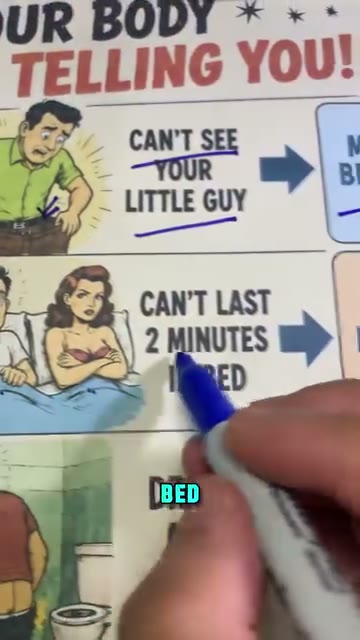
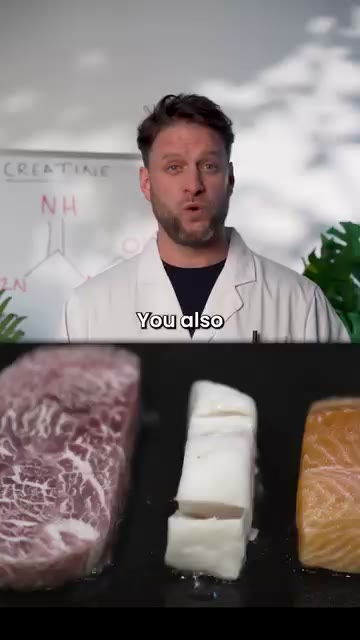
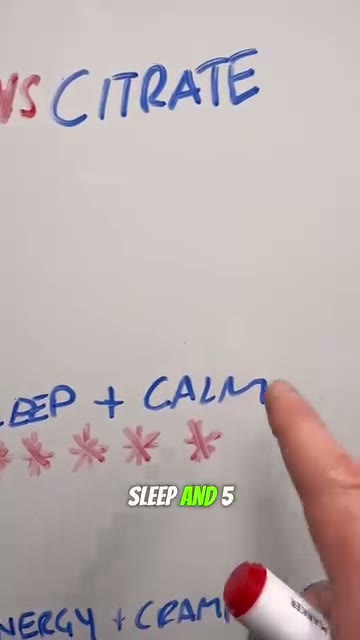
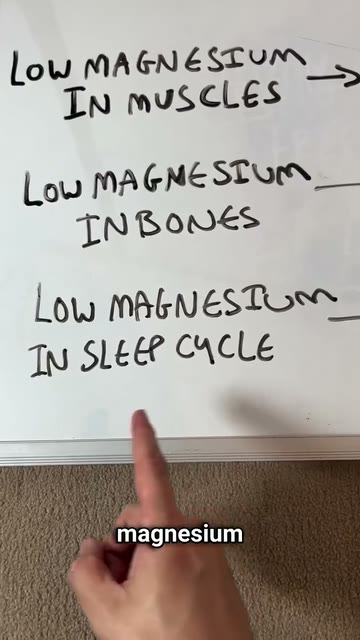
How the real ads are built
The filmed ones
Among the 10 filmed board ads, the usual opening is a problem list written on the board: a symptom as a question, or a blunt statement of the problem in capitals. The product is physically there, on the board or next to it.
The AI one
We measured the first 45 seconds of ST8's 2-minute ad:
- One locked, straight-on shot of a whiteboard on an easel. No camera moves.
- A right hand with a dark sleeve draws from the bottom right.
- The board builds one mark at a time: a drawing first, then a short label in capitals.
- Three marker colours carry meaning: black for neutral, red for the harm, green for the good.
- A board holds one idea. When it is full, an eraser wipes it or the film cuts to a fresh board. About four boards in 45 seconds.
- One narrator at about 3.2 words a second, starting on the first frame.
- No captions in the frames we looked at. The board writing does that job.
- The product appears only at the very end of the 2 minutes, as a drawing of the tin with a tick list beside it.
Our example: a 45-second whiteboard ad
We made the reel at the top of this page for an example brand, Wicklo, an invented self-watering plant pot.
| Our reel | |
|---|---|
| Length | 45.0 seconds, vertical |
| Boards | 3: the problem, a chart, the product |
| Clips made | 9 of 5 seconds, one per spoken line |
| Voice | One narrator, 107 words, about 2.7 words a second |
| Colours | Black, red and green, plus blue for water |
| Board change | A hard cut |
| Captions | Small white captions under the board |
| Product | A drawn pot with the brand name, for the last 17 seconds |
The useful finding from making it: this format works at the lowest resolution and the cheapest mode. We made one clip in all three price modes at 480p. The cheapest was clean with the letters correct, and the dearest showed no visible gain. The reason is that every clip is given the board before and the board after, so the model only has to move a hand between two pictures whose writing is already right.
How we made this reel, step by step
This is the whole process, in the order we did it, with the real pictures and the real prompts. Long prompts are trimmed with "…".
One thing to be clear about: we generated the pictures and clips by calling Pruna's models directly, and the music through Ghostfeed. The steps are the ones Ghostfeed's whiteboard skill sets out.
1. Study one real ad
We measured the first 45 seconds of ST8's 2-minute ad and set ours beside it.
| The real ad, first 45 seconds | Our reel | |
|---|---|---|
| Length | 2:00 in full | 45.0 seconds |
| Boards | About 4 | 3: the problem, a chart, the product |
| Clips | Long takes | 9 clips of 5 seconds, one per spoken line |
| Voice | About 3.2 words a second | 107 words, about 2.7 words a second while speaking |
| Colours | Black, red, green | Black, red, green, plus blue for water |
| Board change | An eraser wipe or a cut | A hard cut only |
| Captions | None in the frames we looked at | Small white captions under the board |
| Product | A drawn tin with a tick list, at the end of the 2 minutes | A drawn pot with the brand name and one tick line, for the last 17 seconds |
We copied the structure only. The brand, the product, the script, the drawings, the board and the hand are all new.
2. Write the script
107 words, split into nine spoken lines, one per clip:
Most houseplants don't die from neglect. They die from too much love. You water on Sunday. Then again on Wednesday, just in case. The soil stays soggy, the roots can't breathe, and they rot. So your plant lives on a roller coaster. First, a flood. Then you go away for a week, and it gets a drought. What roots really want is boring. A little water, all the time. That is the idea behind Wicklo. A pot with a water tank underneath. A cotton wick pulls water up, only as fast as the roots drink. You fill it about every two weeks. Wicklo. Water less. Grow more.
We sent "Wicklo" to the voice as "Wick-low" so it is said right. "About every two weeks" is an invented product detail, not a tested claim.
3. Make one empty board
This format has no character to lock. The thing that must stay the same is the board, so everything starts from one empty board picture. It was made with Pruna P-Image at 9:16. We made 2 and kept the second.
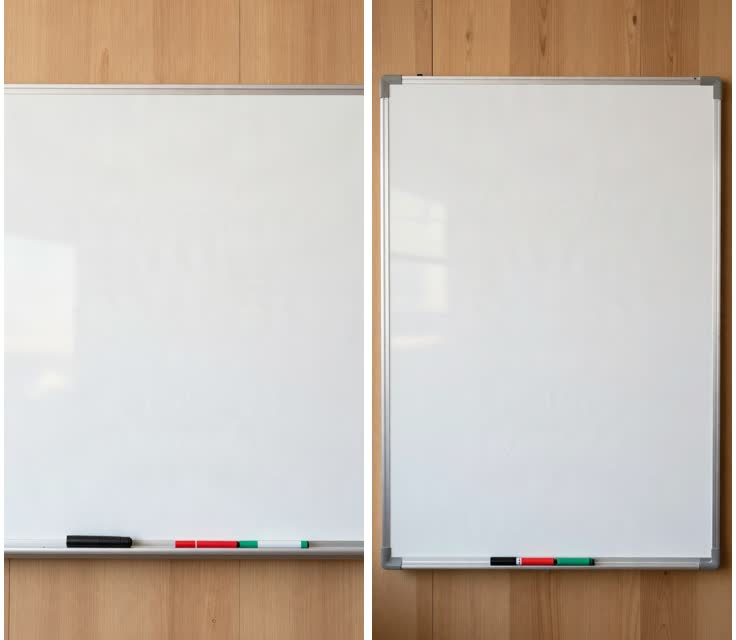 Two empty board pictures: the one we did not use on the left, and on the right the one every other picture in the reel was made from
The prompt:
4. Make the finished boards, then erase backwards
Every other picture was made with Pruna P-Image-Edit. The settings were 9:16, turbo off, and one picture passed in each time.
First the three finished boards. Each one was drawn onto the empty board, so the frame, the tray and the wall stay the same. We made 2 of each and kept one.
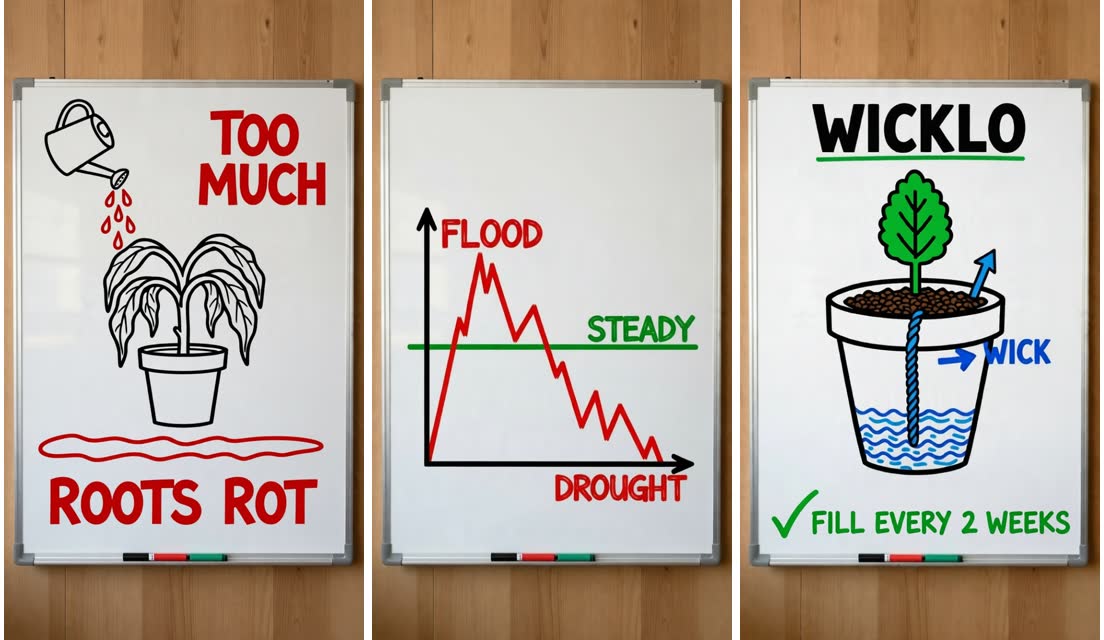 The three finished boards: the problem board, the flood and drought chart, and the Wicklo product board
The prompt for the first finished board:
Then the earlier boards, made backwards. Each one is the board after it with the newest marks erased. The picture passed in is always the board one step later.
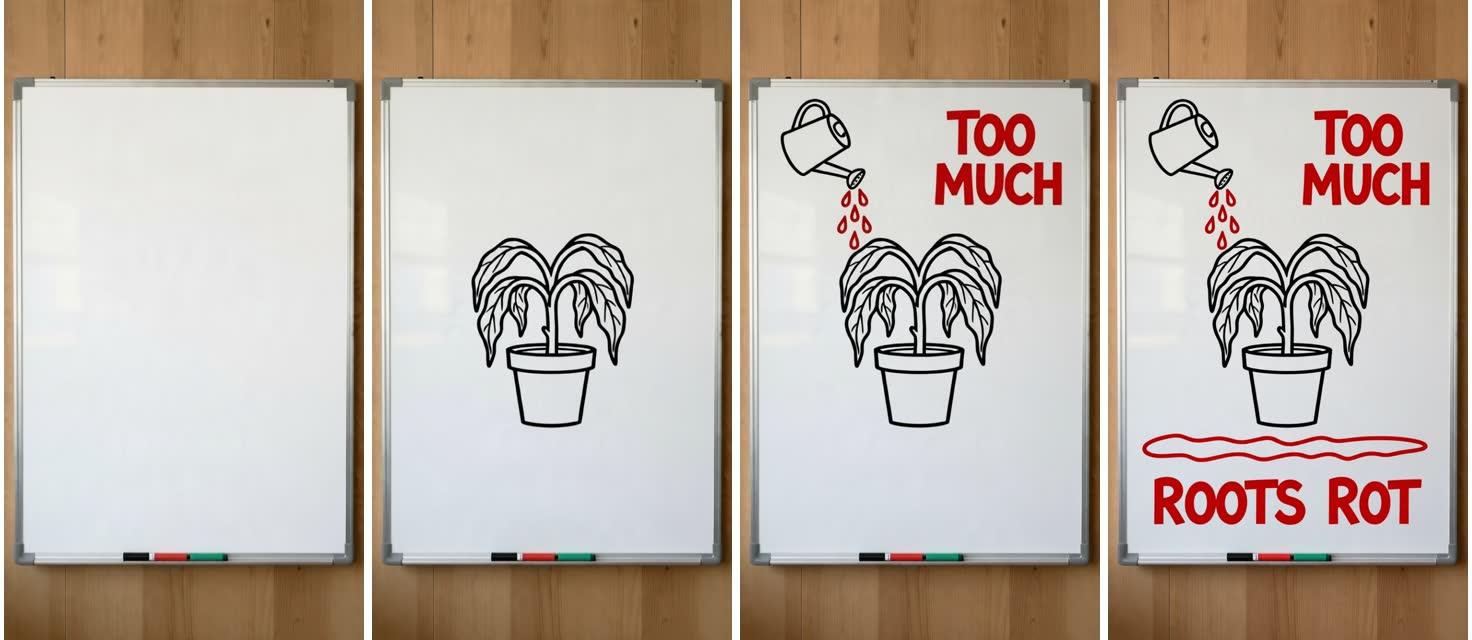 The first board in the order the viewer sees it: empty, the wilted plant, the watering can and TOO MUCH, then the puddle and ROOTS ROT. The three on the left were made backwards from the one on the right
The first erase step on that board, which removes the last thing the hand draws:
Every erase prompt ends with those same sentences. Only the first sentence, which names what to erase, changes. We looked at each board before making the next one.
5. Turn each pair of boards into a clip
Each clip gets two pictures: the board before its marks as the first frame, and the board after them as the last frame. The model was Pruna P-Video 2 Pro, image to video with a last frame, at 480p in cost mode, the cheapest of its three modes, 5 seconds, 9:16. Each clip came back 5.17 seconds long.
The second clip, from the wilted plant to the board with the watering can:
The hand is described in the same words in all nine clips: a right hand, a sage-green knitted sweater sleeve, coming in from the bottom right. Only the marker colour and what it draws change.
We made this clip in all three modes at 480p before making the rest.
| Mode | List price | A 5-second clip | What came out |
|---|---|---|---|
| Cost | $0.01 a second | $0.052 | Clean, letters correct. Used for the whole reel |
| Speed | $0.02 a second | $0.103 | Clean, but left a marker cap lying on the board |
| Quality | $0.04 a second | $0.207 | Clean. No visible gain over cost mode for this format |
6. Redo what came out wrong
The board pictures we fixed:
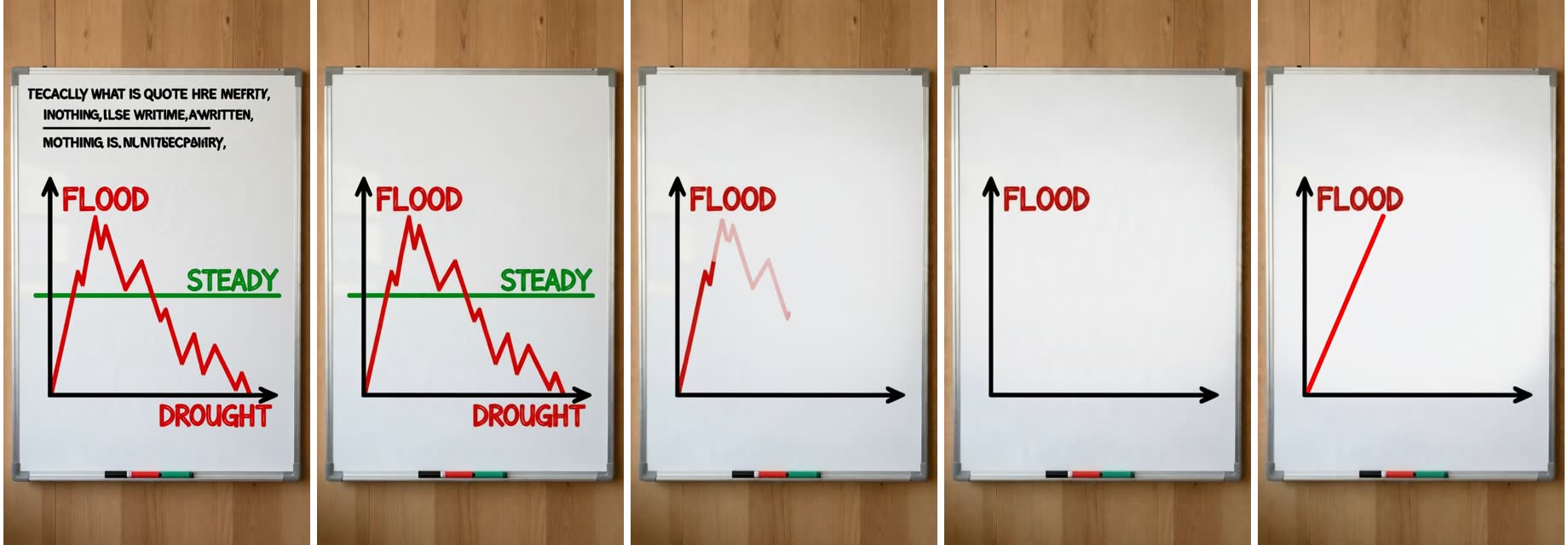 From left: the chart board as first made, with three lines of garbled text at the top; the same board after one erase step; an erase that left a faint ghost of the red line; the next erase, which took the whole line away; and the fix, a straight line added back
- The chart board. The model wrote three lines of garbled text at the top. It had copied part of the instruction. One erase step removed it.
- The chart's first step. The erase left a faint ghost of the line. The next erase removed the whole line, so the first take of clip 4 drew a line that then vanished. We added a straight line back with one more edit and made the clip again.
The clips we threw away:
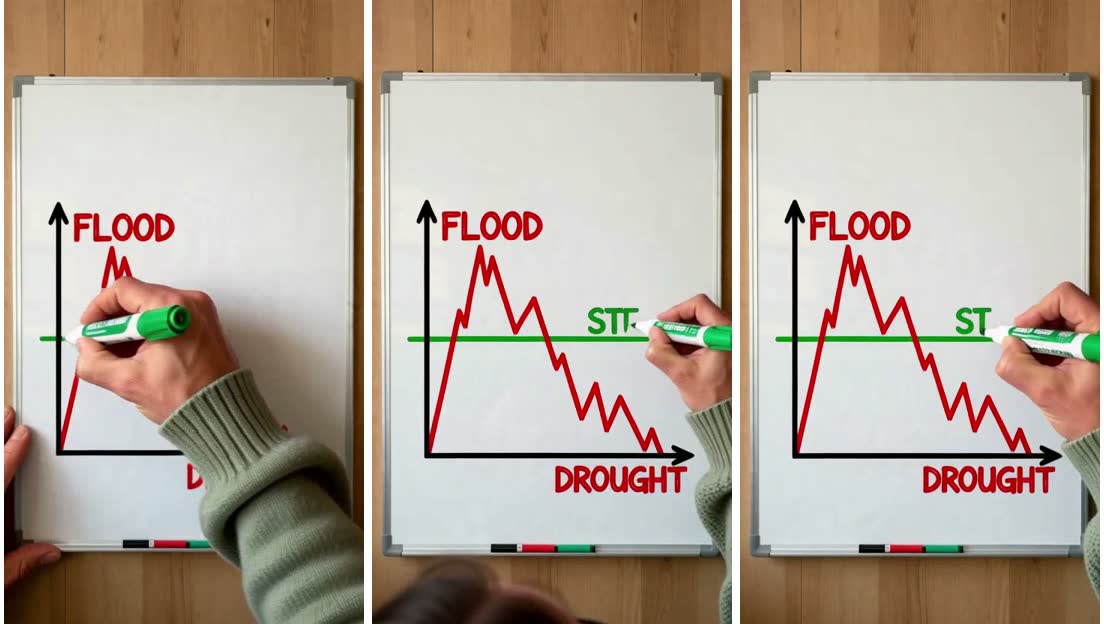 Three takes of the same clip. Left: a second hand rests on the left edge of the board. Middle: the top of a head of dark hair at the bottom of the frame. Right: the take we used
- Clip 6, first take. A second hand rested on the left edge of the board.
- Clips 5 and 6, second take. After we wrote "no second hand", the top of a head of dark hair appeared at the bottom of the frame.
- Clips 5 and 6, third take. The prompt names what must not appear: "no second hand, no head, no hair, no face, no body". Both are clean, and both are in the reel.
This reel has no later redo. The cut at the top of the page is the first cut.
7. Voice, music, captions and the edit
- Voice. Inworld text to speech, voice Elliot, at normal speed, with word timings. We made three takes with three voices: Elliot at 40.1 seconds, Alex at 32.9 and Ashley at 33.6. Elliot was the one that fits nine 5-second clips.
- Music. Made through Ghostfeed, 1 credit, instrumental, 50 seconds. The prompt: "Light friendly explainer instrumental, plucked ukulele and soft glockenspiel, finger snaps, gentle upright bass, 104 BPM, warm curious mood, clean minimal ad background music". We used the first of the 2 versions it returned.
- The edit. Done with ffmpeg. Pauses of 0.25 to 0.75 seconds were added between lines so each line gets its own clip. Each clip runs at 0.85 to 1.35 times speed to fit its line, with a slow 3% push-in. The 480x832 clips were scaled up to 1080x1920 with a light sharpen.
- Captions. In the wood strip under the board, so they never cover the board writing.
- Mix. The music sits about 15 dB under the voice.
8. What it really cost us
This is what we paid to make the reel by calling the models directly, counted from Pruna's list prices and the clip lengths that came back. It is our own log, not an invoice.
| What | Number | Dollars |
|---|---|---|
| P-Image pictures: 2 empty boards | 2 | 0.01 |
| P-Image-Edit pictures: 6 finished boards, 15 erase steps and clean-ups | 21 | 0.21 |
| P-Video 2 Pro clips, 480p: 9 used, 2 more from the mode test, 5 thrown away | 16 | 1.03 |
| Voice, 3 takes of 564 characters | about 0.04 | |
| Music, 1 Ghostfeed credit | about 0.10 | |
| Total | about 1.39 |
The nine clips in the reel cost $0.47 together. The voice figure is an estimate, counted at $25 per million characters, a rate taken from our notes on another reel. No request failed or had to be sent twice.
The same ad priced in Ghostfeed credits is in the cost section below.
9. The finished reel
Made with GhostfeedHow to make one in Ghostfeed
Ghostfeed connects to Claude, ChatGPT, Codex and Cursor through one MCP server. Setup takes a couple of minutes. You ask for the ad in plain words:
The agent reads Ghostfeed's whiteboard method and works backwards.
- Write the words first. About 2.5 words a second, so 45 seconds is about 110 words. Each sentence adds one thing to the board.
- Make one empty board. Everything starts from this picture.
- Make the finished boards. Short labels, large lettering, spelled exactly. The board writing is the only text in the picture.
- Erase backwards. Every earlier board is the board after it with the newest marks erased, made one at a time. Look at each before making the next: an erase that missed leaves marks the hand never draws.
- Make one clip per writing beat. Each clip starts on the board before its marks and ends on the board after them, so the hand draws exactly those marks.
- Describe the same hand word for word in every clip. Skin, sleeve, marker colour, the side it comes from.
- Ask for real drawing speed. Every clip says "natural real-time human speed, no timelapse or speed ramps".
- Put it together. Join the clips, lay the voiceover and music on top.
The prompts
A board picture:
A clip:
What a 45-second one costs
Counting a credit as 10 cents, with today's prices and the settings our reel used:
| Part | Credits |
|---|---|
| The empty board, 1 credit | 1 |
| 16 board pictures, each made from another board, 2 credits each | 32 |
| 9 clips of 5 seconds, 45 seconds in all, at 0.25 credits a second | 11.25 |
| Voiceover, 564 characters (1 credit per started 1,000) | 1 |
| Music, one song request | 1 |
| Total | about 46, around $4.60 |
Three notes on that table:
- The boards cost more than the clips. A picture made from another picture is 2 credits, and this format needs one for every step of every board. Ours has 3 finished boards, the erase steps behind them and a few clean-ups.
- 0.25 credits a second is P-Video 2 Pro at 480p in its cheapest mode. That is enough for this format, as described above.
- Redos cost again. For our reel we made 23 pictures to keep 17, and 16 clips to keep 9.
Ghostfeed is paid, from $29/mo.
Honest limits
What is still wrong with our own reel:
- The drawing is too clean and too fast to pass as a real hand. Lines appear as finished shapes a little ahead of the marker tip, and whole words land in about a second. ST8's ad has the same tell.
- No eraser moment. ST8 wipes the board between ideas. Ours cuts from a full board to an empty one.
- The hand leaves and comes back nine times. In ST8's ad the hand stays on the board through a long take.
- It is soft on a desktop. The board writing is readable on a phone. On a large screen the hand and the sleeve are soft, and letter edges shimmer a little when the hand passes.
- Small drawing slips. A chart line changes shape between two clips, the product board has a stray second arrow, and the healthy plant is a single leaf.
- The captions sit low. They are fine in this embed. Instagram's own buttons would cover part of them.
We made this reel at 480p, the lowest resolution, in low-cost settings. Higher-end video models and a higher resolution reduce the picture problems in this list. We have not measured by how much.
What to expect from the tool:
- Each beat is its own clip. In Claude Code, Codex, Cursor and the Ghostfeed app the clips are joined into one file. In Claude and ChatGPT chat you get the clips in order and join them yourself.
- The agent cannot hear the voiceover, so you choose the voice by listening.
- If you need it to pass as a real person at a real board, film it. That is what 10 of the 13 ads we checked do.
FAQ
What is a whiteboard ad?
A video ad that explains a product by drawing it on a board, one mark at a time, while a voice explains.
Do real brands run AI whiteboard ads?
Very few that we can prove. Of 13 board ads we checked on November 17, 2026, 10 were filmed and 2 were clearly AI-made, from ST8 and True Nutra.
Can AI make a whiteboard ad?
Yes. Make the finished board first, erase it backwards into steps, and give each clip the board before and the board after.
Can it use a chalkboard or a notepad?
Yes. Any surface works, as long as it is drawn live.
How much does one cost to make?
About 46 credits for 45 seconds in Ghostfeed at 480p, around $4.60 at 10 cents a credit, before redos. Most of that is the board pictures.
Make this format with the Ghostfeed skill
The steps on this page are written down as a skill on the Ghostfeed MCP server, ghostfeed-ad-style-whiteboard. It works together with ghostfeed-video-ads, which covers the order of work for any video ad. Connect Ghostfeed to Claude or ChatGPT, ask for a whiteboard ad for your own brand, and the agent reads the skill and runs the same steps: the finished board first, the earlier boards erased backwards from it, one clip per writing beat with a start board and an end board, and the same hand in every clip.
Our reel was made by hand along those steps, with Pruna's models called directly and the music made through Ghostfeed. The skill runs the same steps inside Ghostfeed, with the models Ghostfeed offers.